Apollo 13 (1995) · Gene Kranz
Kranz stands at the front of mission control, vest open, arms gesturing wide, refusing to lose the crew.
Harris keeps his arms uncrossed and his chest lifted even in crisis. Stress narrows most people's posture; leaders deliberately fight that instinct. The open frame says we have time, even when we don't.
What to observe
Practice Guide (5 steps)
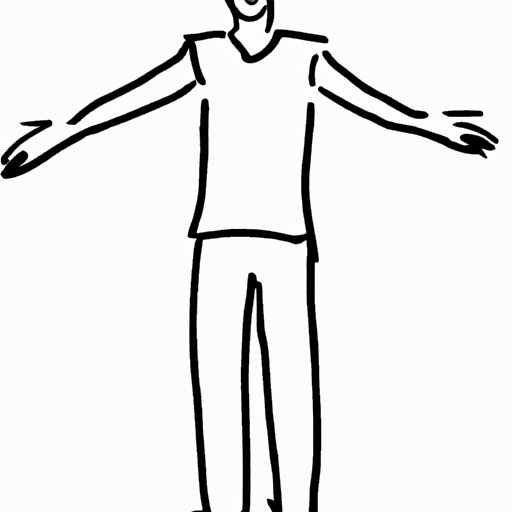
Stand tall with your feet shoulder-width apart. Extend your arms outward at shoulder height, creating a wide open space around you as if inviting others into your circle.
Pro tip: Practice this in front of a mirror to see how your body language changes when you create space.
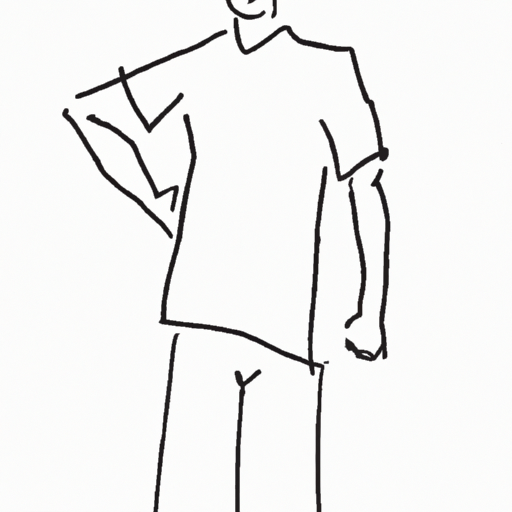
Stand straight, lift your chest, and roll your shoulders back. Imagine a string pulling you upward from the top of your head, keeping your posture strong and upright.
Pro tip: Maintain this posture while taking deep breaths to reinforce the feeling of confidence.
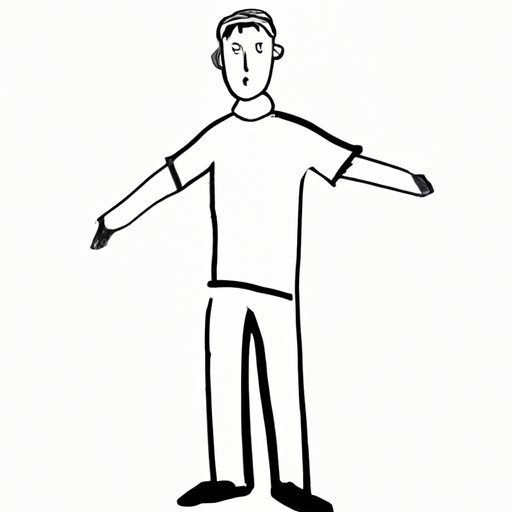
Stand with your arms relaxed at your sides or resting comfortably in front of you. Avoid crossing your arms; instead, let them hang naturally to convey openness.
Pro tip: Practice this while speaking to someone, even if it's just to yourself, to reinforce the habit.

As you speak, look directly into the eyes of an imaginary audience. Hold eye contact for a few seconds with each 'audience member' to create a sense of connection.
Pro tip: Practice shifting your gaze intentionally to different points in the room to simulate engaging with multiple people.
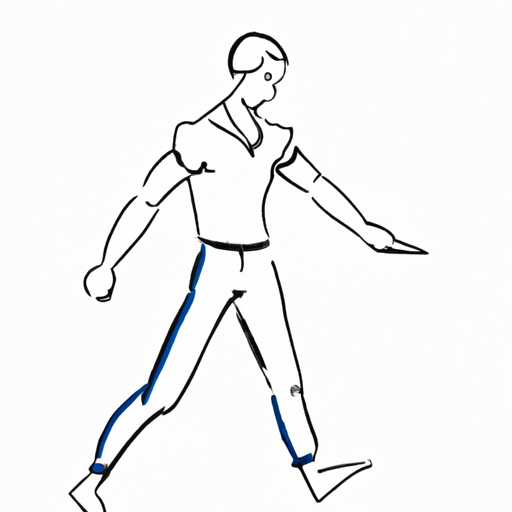
While maintaining an open posture, take a few steps around the room. Use your body to emphasize key points, letting your arms move naturally as you engage with your imaginary audience.
Pro tip: Incorporate movement into your practice to feel more energetic and engaged, as if you are leading a team.