Ordinary People (1980) · Dr. Berger
Dr. Berger sits forward in his armchair, head tilted, nodding slightly as Conrad finally opens up.
Hirsch uses tiny continuation nods — not agreement nods — to keep Conrad talking. The head tilt and forward lean are sustained without becoming intrusive. This is the gold standard for therapeutic listening posture.
What to observe
Practice Guide (5 steps)

Sit comfortably in a chair and lean slightly forward from your hips, keeping your back straight. Ensure your arms are relaxed at your sides or gently resting on your lap, signaling engagement without being intrusive.
Pro tip: Maintain a relaxed demeanor while leaning in to show genuine interest.

While seated, tilt your head slightly to one side as if you are intrigued by what the speaker is saying. Keep your eyes focused on an imaginary person in front of you to maintain eye contact.
Pro tip: A slight head tilt can convey curiosity and openness, so don’t overdo it.
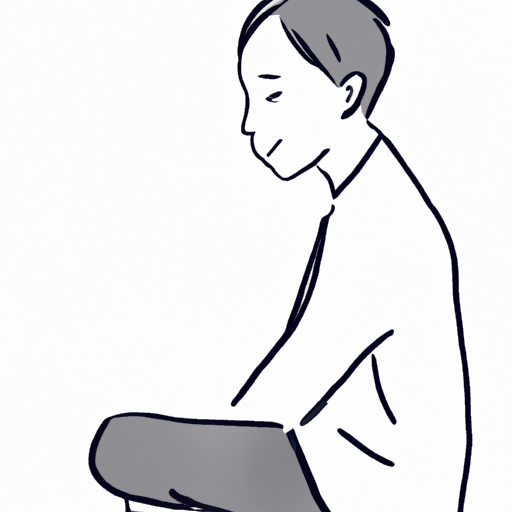
Practice giving tiny, rhythmic nods as if encouraging someone to continue speaking. Make sure these nods are subtle and not overly exaggerated to avoid appearing insincere.
Pro tip: Timing your nods to match the natural rhythm of speech can enhance the effect.

Adopt a soft, empathetic facial expression with your eyes relaxed and a slight smile while listening. Make sure your expression reflects understanding and warmth.
Pro tip: Practice this expression in the mirror to feel confident in conveying empathy.

While pretending to listen, practice using brief verbal affirmations like 'uh-huh' or 'I see' at appropriate moments during a conversation. Keep your tone encouraging and your volume low.
Pro tip: These verbal cues should feel natural and not interrupt the speaker’s flow.