The Two Popes (2019) · Pope Francis
Francis sits in the garden chair, head tilted, listening to Benedict's confession with utter stillness.
Pryce holds an extended head tilt and zero interruptions. The slight forward inclination shows interest without intruding. Tilting the head 5–10 degrees toward a speaker is the simplest empathy signal that exists.
What to observe
Practice Guide (5 steps)
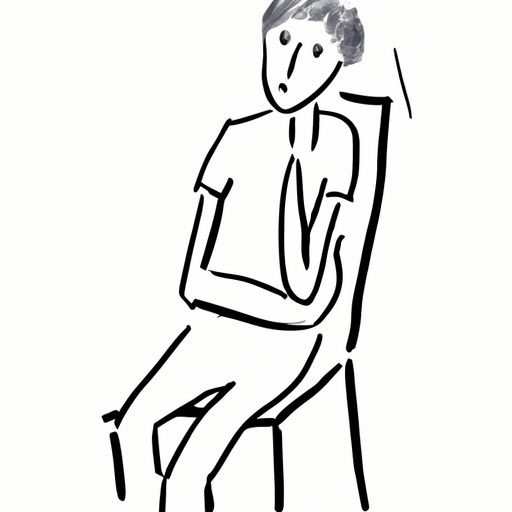
Sit comfortably and tilt your head slightly to one side, about 5-10 degrees, as if you are listening intently. Ensure your body is relaxed and your facial expression is open and curious.
Pro tip: Practice this tilt while maintaining a neutral and inviting facial expression to convey genuine interest.
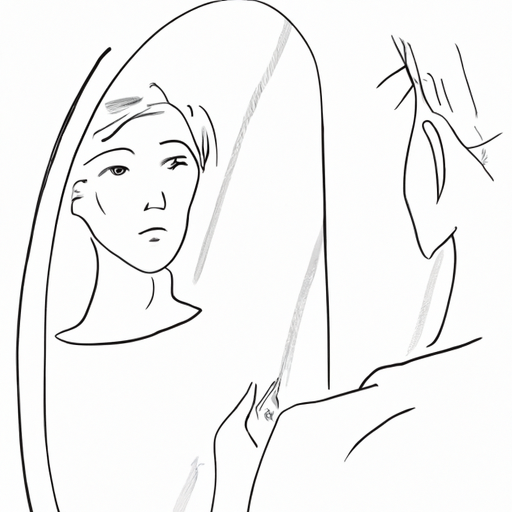
Position yourself in front of a mirror or camera and maintain direct eye contact with your reflection for 15-30 seconds. Focus on keeping your gaze soft and inviting.
Pro tip: Avoid staring too intensely; instead, blink naturally to keep your gaze relaxed.
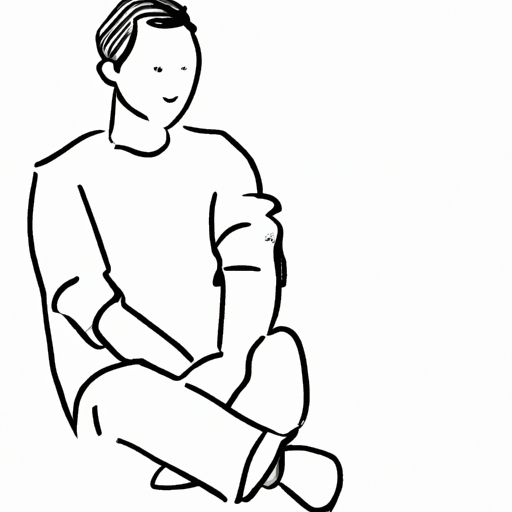
While seated, lean slightly forward in your chair, positioning your elbows on your knees for support. Keep your back straight to show engagement without invading personal space.
Pro tip: Ensure your body language remains open by not crossing your arms or legs while leaning forward.

Record yourself nodding in response to an imagined conversation, synchronizing your nods with key points you might hear. Keep the nods subtle and genuine.
Pro tip: Nod slowly and deliberately; quick nods can seem mechanical and less sincere.

Sit quietly for 20-30 seconds, allowing moments of silence to occur naturally as if you are listening to someone share. Focus on your breathing and maintain a calm demeanor.
Pro tip: Embrace the stillness; it shows the speaker that you value their words and are giving them space to think.