The King's Speech (2010) · King George VI
George VI delivers the wartime address with deliberate, measured pacing, breathing through the pauses.
Firth uses every pause as an asset rather than a flaw. The slow pacing forces the audience into the king's effort with him. Owning your slowness is more powerful than fighting it.
What to observe
Practice Guide (5 steps)

Stand tall and take a deep breath, filling your lungs completely. Hold your breath for a moment before beginning to speak your first line, creating a pause that builds anticipation.
Pro tip: Visualize the audience's focus sharpening on you as you hold that breath.
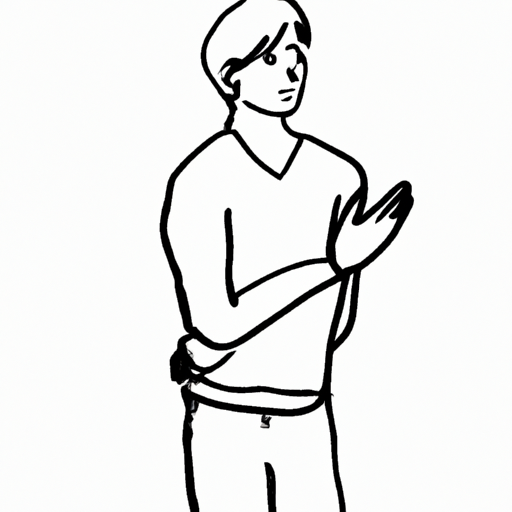
Speak a simple sentence slowly, pausing deliberately after each phrase. Allow a brief moment of silence between your thoughts to let the weight of your words resonate.
Pro tip: Use a stopwatch to time your pauses and ensure they feel natural but impactful.
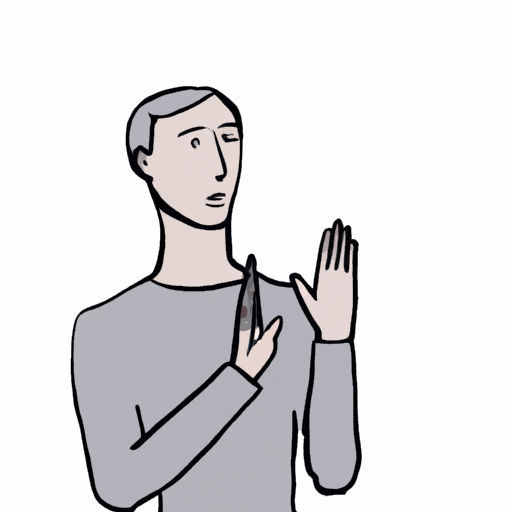
Recite a short passage, incorporating a 2-3 second pause after each impactful statement. Maintain eye contact with an imaginary audience to strengthen the emotional connection.
Pro tip: Imagine the audience's reaction during your pause, as if they’re absorbing your message.
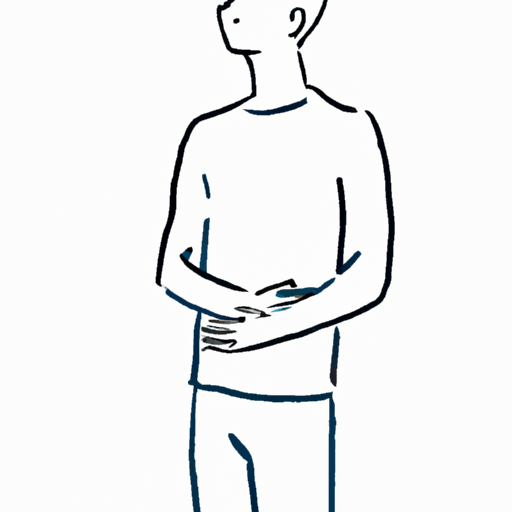
Take a deep breath before continuing to speak after a pause. Use this breath to reset your focus and convey steadiness in your voice.
Pro tip: Practice this technique by counting to three during your inhalation and exhalation to help regulate your breath.

Choose a powerful statement and gradually slow your pacing as you approach the climax. Emphasize each word, elongating your speech to build emotional stakes.
Pro tip: Practice in front of a mirror to observe your facial expressions as you build up to the climax.