Hidden Figures (2016) · Katherine Johnson
Katherine confronts her supervisor about the colored bathroom, voice rising but body composed.
Henson allows emotion into her voice while keeping her stance grounded. Confident disagreement does not require zero emotion — it requires emotion plus stable footing. Feet planted equals voice protected.
What to observe
Practice Guide (5 steps)
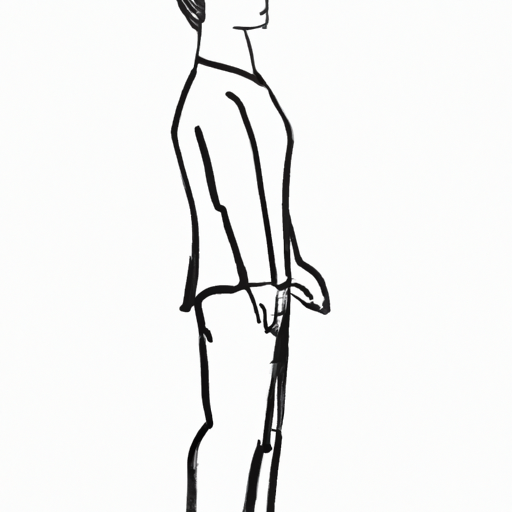
Stand tall with your feet shoulder-width apart, distributing your weight evenly. Keep your shoulders back and head held high to convey confidence as you prepare to voice your disagreement.
Pro tip: Practice shifting your weight slightly to feel more rooted and stable.
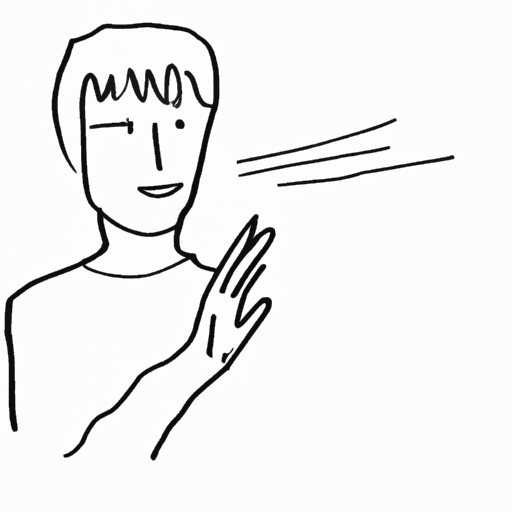
Record yourself expressing a disagreement, gradually increasing your voice volume on key points while maintaining a steady tone. Ensure your voice is clear and assertive without sounding aggressive.
Pro tip: Experiment with pitch and emphasis to find the most impactful way to express your points.

Practice maintaining direct eye contact with an imagined audience or a mirror while stating your disagreement. Focus on connecting your gaze with an invisible point to enhance your assertiveness.
Pro tip: Hold eye contact for a few seconds longer than feels comfortable to reinforce your confidence.
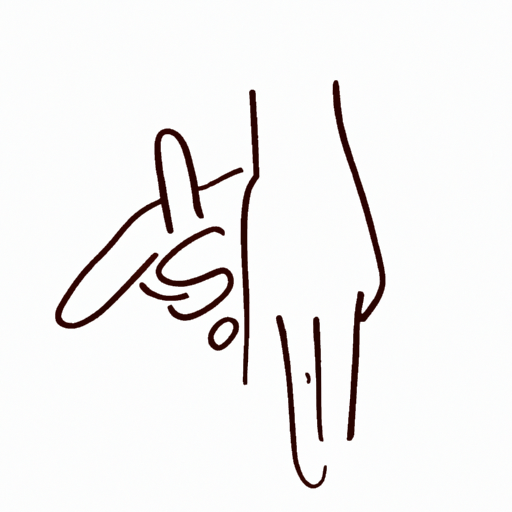
Use deliberate hand gestures to emphasize your points during your disagreement. Keep your movements slow and purposeful, avoiding fidgeting or erratic motions.
Pro tip: Practice in front of a mirror to observe your gestures and ensure they enhance rather than distract from your message.
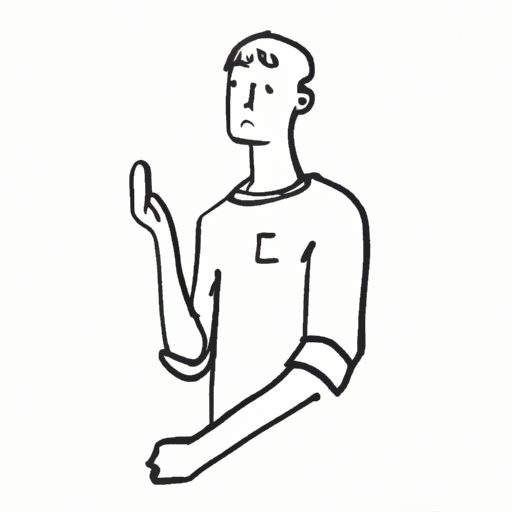
Record yourself stating a strong disagreement, then pause for a moment after key points. Allow silence to emphasize the weight of your words, giving your audience time to absorb your message.
Pro tip: Count to three silently in your head during the pause to ensure it feels natural and impactful.